
How to Lose Weight by Diet: 50 Foods to Avoid or Limit
Trying to lose weight? Know all the tricks in the book and still nothing? Hi there viewers and welcome to Dream Dreams. Weight loss is not child's play. The journey to your desired weight begins with making dietary changes.
Cutting down on high-fat foods and foods that are high in added sugar can play an important role in reducing excess calorie intake. Weight loss is a combination of eating nutritious food, exercising regularly, and knowing which foods to avoid or limit, especially foods that provide lots of calories without many nutrients.
With so many options available, it can be difficult to make the right choice. Where do you start? No more chips? What about meats and desserts?
50 Foods You Should Avoid or Limit If You Want to Lose Weight
The following foods and drinks can make weight loss more difficult when they are eaten frequently or in large portions. You do not necessarily have to eliminate every food from your diet. Portion size, preparation method, frequency, and your overall eating pattern all matter.
1. Sugary Drinks

Sugary drinks are basically drinks that contain added sweeteners and flavors. These include soda, tonic, fruit drinks, energy drinks and more. One tablespoon contains about 4 grams of sugar, and a typical soda can can contain several tablespoons of added sugar. Replace sugary drinks with water or lemon water to help reduce your calorie and sugar intake.
2. Potato Chips

Potato chips contain added flavorings, additives, fat and salt. Of all the foods that can contribute to excess calorie intake, potato chips are among the easiest to overeat. Along with a high amount of sodium, many chips are also high in fat. Instead, try healthier snacks such as celery, cabbage chips, dark chocolate or apple slices with peanut butter.
3. Processed Meats

Processed meats include sausages, salami, ground meat products and canned meat. They can contain combinations of flavors, additives, salt and fats, which can make them easy to overeat. Many processed meats are also low in fiber and may provide fewer nutrients than less processed protein sources. If you are looking to shed a few pounds, try to limit processed meat and choose leaner protein sources more often.
4. White Rice
Rice is a staple food for much of the world's population. It is easy to cook and versatile, but white rice is relatively low in fiber compared with brown rice. One cup of cooked white rice provides a significant amount of calories, which can add up when portions are large. Compared with brown rice, white rice loses some of its fiber and nutrients during processing. Consider replacing some white rice with brown rice or other whole grains.
5. Sweetened Cereals

Sugar is one of the ingredients to watch when choosing breakfast foods. Breakfast cereals are one of the most overlooked foods when trying to lose weight. Added sugars found in breakfast cereals, candies and other baked goods can contribute to excess calorie intake and weight gain. Looking to replace sweetened breakfast cereals? Go for whole grains that provide more fiber and nutrients.
6. Diet Soda

How can something with the word "diet" in its name still be a concern? Diet soda is usually low in calories and contains little or no sugar, but some people may find that frequently drinking very sweet beverages keeps their preference for sweet flavors high. For weight loss, water and unsweetened beverages are simple choices that can help keep calorie intake low.
7. French Fries

A typical serving of French fries can contain a substantial number of calories because potatoes are deep-fried in oil. French fries are also often eaten with other fast foods, ketchup and melted cheese, which can increase the overall calorie content of a meal. Limiting fried potatoes can make it easier to manage calorie intake.
8. Red Meat

Red meat such as beef, pork and lamb can be a good source of protein and iron. However, fatty cuts and large portions can add substantial calories and saturated fat to your diet. When eaten in excess, red meat may also be associated with health risks. Choose leaner cuts and moderate portions if you are trying to lose weight.
9. Whipped Cream Desserts

Do not feel whole without a rich whipped cream dollop. We are used to adding cream to coffee, pastries and all sorts of other things. Heavy cream is calorie-dense and contains significant amounts of fat. A serving can add calories quickly, so limiting whipped cream desserts can be helpful if you are trying to lose weight.
10. Chocolate Bars
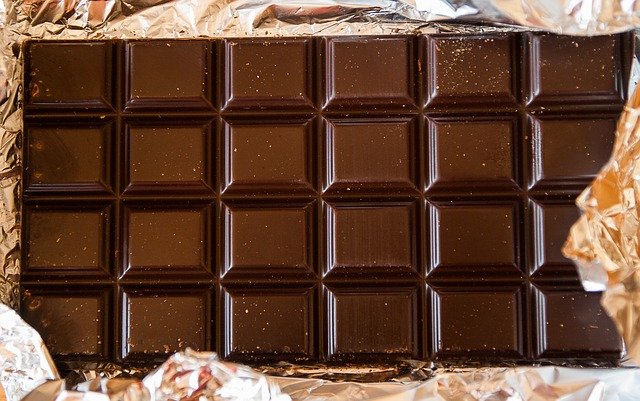
Chocolate is one of the world's favorite desserts. While dark chocolate can have some nutritional benefits, many milk chocolate bars are loaded with calories and added sugar. These foods are easy to overeat, especially when eaten as snacks. Enjoying smaller portions occasionally may be easier to fit into a weight-loss diet.
11. Peanut Butter

Peanuts are high in fat and calories, although much of the fat is unsaturated. Eating two tablespoons of peanut butter can provide a substantial number of calories. Peanut butter can be part of a healthy diet, but portion size matters. Eating large amounts with bread and other high-calorie foods can make weight management more difficult.
12. Fresh Fruit Juice

Fresh fruit juice is sometimes considered a hidden source of excess calories. Eating whole fruit is generally more filling because whole fruit contains fiber. Juice can be consumed quickly and may contain a concentrated amount of naturally occurring sugar. If you are trying to lose weight, choosing whole fruit more often can help with fullness and portion control.
13. Fried Chicken

Fried chicken is a popular comfort food. Unfortunately, frying can substantially increase its calorie content because the food absorbs oil during cooking. When eaten frequently, fried chicken can make it harder to control calorie intake and may contribute to excess saturated fat intake. Choose grilled, baked or roasted chicken more often.
14. Ice Cream

Ice cream is made with cream and is often loaded with added sugar. Because it is calorie-dense, large portions can quickly add calories to your diet. If you have trouble reducing it, consider having an occasional smaller serving or choosing a lower-calorie alternative.
15. Crackers

Crackers can contain salt, sugar, refined flour and added fats and are often highly processed. If you want to turn them into a more balanced snack, pair a small portion with vegetables, hummus or another nutrient-rich food. Avoid eating large amounts if you are trying to reduce excess calorie intake.
16. Cream Cheese

Cream cheese is a popular spread and versatile dairy product. It can be relatively high in fat and calories, depending on the variety. While it can provide nutrients such as vitamin A, portion size matters. Using large amounts on bread, crackers or pastries can add significant calories to a meal.
17. Energy Drinks

If you skip meals and replace them with energy drinks, it is time to reconsider that habit. Many energy drinks contain added sugar and provide little nutritional value. Drinking them frequently can add substantial calories to your diet. They are often associated with sports and athletic activities, but water and balanced meals are better choices for everyday nutrition.
18. Fruit Jam

Jams are part of many breakfasts, especially for children. Despite their delicious taste, many traditional jams contain significant amounts of added sugar and provide little fiber. Eating large amounts can increase calorie intake. Replace some jam with freshly cut fruit or choose a lower-sugar spread.
19. Salty Sauces

Barbecue sauce, ketchup, ranch dressing, mayonnaise and other sauces can contain significant amounts of calories, sugar, sodium or fat. These sauces can make bland food delicious, but large portions can add calories without making you feel much fuller. Use sauces in moderation if you are trying to lose weight.
20. Coffee Creamer

Coffee itself can be a low-calorie beverage when consumed without added sugar or cream. However, flavored creamers and heavy additions can add sugar, fat and calories. If you are trying to lose weight, check the serving size and consider using less creamer or choosing an unsweetened option.
21. Refined Pasta

When it comes to weight gain, pasta is a complicated food. In many cultures, whole-grain pasta can be part of a healthy eating routine. On the other hand, refined pasta contains less fiber than whole-grain pasta, and large portions can provide substantial calories. Choosing whole-grain pasta and controlling portion size can make it easier to manage your diet.
22. Onion Rings

Onion rings are a staple in fast food and are often eaten with burgers and soda. They are deep-fried and coated with breadcrumbs, flour and other ingredients that can increase their calorie content. Limiting fried foods such as onion rings can help reduce overall calorie intake.
23. Tortilla Chips

The combination of tortilla chips and guacamole may seem like a healthy snack, but portion size matters. Processed tortilla chips can contain substantial amounts of fat and sodium while providing relatively little fiber. Overall, they are best enjoyed in moderation when you are trying to manage your weight.
24. Large Coffee Drinks

Large coffee drinks such as vanilla lattes and white chocolate mochas can contain substantial amounts of sugar, whipped cream and other high-calorie ingredients. These additions can turn a simple coffee into a calorie-dense drink. Black coffee without added sugar is much lower in calories. If you enjoy specialty coffee, consider choosing a smaller size and limiting added syrups and cream.
25. Pie

If you break down the ingredients of many pies, you will notice that the crust and fillings can contain significant amounts of sugar and fat. Pastry crusts may contain saturated fats, while sweet fillings can add more sugar and calories. Enjoying smaller portions less frequently can make pie easier to fit into a weight-loss diet.
26. Cinnamon Rolls

Beware of craving cinnamon rolls if you are on a weight-loss diet. These delicious treats are made from flour and loaded with sugar, including the toppings. A large cinnamon roll can contain a substantial number of calories and fat. Because they are calorie-dense and provide relatively few nutrients, cinnamon rolls are best enjoyed occasionally and in moderation.
27. Pancakes

If layers of pancakes with sugar syrup dripping down are the breakfast of your choice, then it may be time to reduce the portion. Pancakes are a popular breakfast that can be prepared quickly. Although having pancakes occasionally is fine, eating large portions every day can contribute significant calories, especially when combined with butter and syrup. They are generally low in fiber and can be high in calories, fat and sugar depending on preparation.
28. Granola

Granola has gained popularity as a healthy snack alternative because it contains energy-giving ingredients. However, some granolas contain large amounts of added sugar. Eating large quantities regularly can add many calories to your diet. Try smaller portions and choose granola with less added sugar and more whole grains, nuts and seeds.
29. Bottled Tea

Bottled tea may seem like a light and refreshing choice for a quick energy boost. However, many pre-sweetened bottled teas are loaded with added sugar. Some packaged teas can contain a large amount of sugar. An obvious step would be to choose unsweetened tea or water more often if you want to promote weight loss.
30. Drinking Alcohol

Alcohol, especially in large quantities, can add significant calories along with other health risks. Alcohol can also lower inhibitions and make it easier to choose high-calorie foods such as burgers, fried foods and other junk food. If you are trying to lose weight, limiting alcohol can help reduce your overall calorie intake.
31. Takeaway Pizza

Everyone loves pizza. However, takeaway pizza can disrupt your journey to weight loss when eaten frequently. From its dough to the toppings, many versions contain refined carbohydrates, cheese, high-calorie sauces and processed meats. Unless you choose a healthier version with vegetables, lean protein and sensible portions, pizza is best enjoyed occasionally.
32. Soybean Oil

In a world that is rapidly moving toward healthier alternatives, soybean oil has become a popular cooking oil. However, like all cooking oils, it is calorie-dense, so the amount used matters when you are trying to lose weight. Rather than focusing on completely eliminating one particular oil, pay attention to portion sizes and your overall intake of fats and calories.
33. Hamburgers

Ask yourself whether hamburgers are the best choice when trying to lose weight. Hamburgers can be high in calories, saturated fat and sodium, especially when topped with cheese, mayonnaise and ketchup. They may also contain refined flour and large portions of red meat. Choosing a smaller burger, leaner meat and more vegetables can make the meal lighter.
34. Candy Bars

While an occasional candy bar can be enjoyed, eating sweets regularly can add a lot of sugar, fat and calories to your diet. Too much added sugar can contribute to excess calorie intake and dental problems. If you are trying to lose weight, keep candy portions small and occasional.
35. Cookies

You can get cookies in every possible taste. No matter how inviting they may look, if you are looking to lose weight, be prepared to limit them. Cookies are commonly made with butter, eggs, refined flour, sugar and flavorings. They are easy to eat in large quantities, which can quickly increase calorie intake.
36. Dried Fruits

Eating whole fruits is always a good idea. Dried fruits such as peaches, apples and apricots can be much more calorie-dense because the water has been removed. Some varieties also contain added sugar. Because they are easy to snack on, it is possible to eat a large amount without realizing it. Choose unsweetened dried fruit and keep portions moderate.
37. Beer

Thinking of one cold drink? Keep that line of thought in mind if weight loss is your goal. Beer contains alcohol and calories, and some varieties also contain carbohydrates. Drinking frequently or in large quantities can contribute significantly to overall calorie intake. Limiting beer and other alcoholic beverages can support weight management.
38. Bottled Smoothies

A purchased smoothie is not always a substitute for fresh whole foods. The main concern with some bottled smoothies is their sugar and calorie content. Some also contain sweeteners, flavorings and other additives. If you want a smoothie, check the ingredients and choose one made mainly from whole fruits, vegetables and unsweetened ingredients.
39. Refined Sugar

It is almost impossible to escape added sugar. It is present in everything from cookies, breads, pasta sauces, yogurt and tomato sauce to desserts and drinks. If you consume large amounts of added sugar regularly, you can increase your overall calorie intake. Sugar provides calories but very few essential nutrients.
40. Donuts

Donuts are a popular sweet treat, but they often contain high levels of sugar, fat and carbohydrates. The extra fats make them calorie-dense, and many donuts are deep-fried. Depending on the variety, a single donut can contain a substantial number of calories, making portion control important when trying to lose weight.
41. Bagels

Bagels are not necessarily unhealthy, but that does not automatically make them the best option for weight loss. Convenient and hard to resist, a large deli bagel can contain a substantial number of calories. Choose smaller portions and consider whole-grain varieties with protein and vegetables to make the meal more balanced.
42. Muffins

Just like other pastries, many muffins are made with significant amounts of sugar, fat and refined carbohydrates. Although they may seem like an innocent sweet treat, large muffins can contain a substantial number of calories. If you are looking to lose weight, choose smaller portions or healthier versions made with whole grains and less added sugar.
43. Pancake Syrup

Pancakes are often incomplete without a generous drizzle of syrup. Many pancake syrups are rich in added sugar and provide little nutritional value. Frequent use of sugary syrup can add significant calories to breakfast. Use smaller amounts or choose fresh fruit as a topping instead.
44. Canned Soup

Soups are generally considered to be useful foods for weight management, but some canned soups contain large amounts of sodium, cream or other calorie-dense ingredients. Cream-based soups can be particularly high in fat and calories. Check the nutrition label and choose broth-based soups with vegetables and lean protein when possible.
45. Pretzels

Pretzels may look like a good snack choice if your goal is weight loss. However, many pretzels contain refined carbohydrates and significant amounts of sodium. They can also be easy to eat in large portions. Choose smaller portions and pair them with a protein- or fiber-rich food for a more balanced snack.
46. White Bread

White bread appears on many people's meal lists because it is cheap and easily available. Unfortunately, many varieties are made from refined flour and contain relatively little fiber. Choosing whole-grain bread can provide more fiber and may help you feel fuller. Portion size still matters when managing calories.
47. Restaurant Desserts

When it comes to restaurant desserts, large portion sizes and added sugar are common concerns. Desserts often come at the end of a meal and can add many extra calories. These portions may be much larger than necessary. If you want dessert, consider sharing it with someone or choosing a smaller portion.
48. Drive-Through Fast Food

The words "fast food" often bring to mind unhealthy and fatty foods. These include burgers, burritos, fried foods and takeaways. Many fast-food meals contain substantial amounts of fat, carbohydrates, sodium and calories. If fast food is part of your daily meal routine, making some changes can help support your weight-loss goals.
49. Croissants

Made with butter, croissants are a favorite pastry but can also be relatively high in calories and fat. Pastries in general can be a difficult choice to include frequently in your diet if your goal is weight loss. Enjoying them occasionally and controlling portion size can help manage calorie intake.
50. Butter

Consider that one tablespoon of butter provides a significant amount of calories and fat. This shows why butter should be used in moderation when managing your calorie intake. Butter can be part of a balanced diet in small amounts, but adding it generously to bread, pastries and other foods can quickly increase the calorie content of a meal.
How to Lose Weight by Diet: Simple Tips
Knowing which foods to avoid or limit is only one part of losing weight. A successful weight-loss diet should also include nutritious foods that keep you satisfied and provide the nutrients your body needs.
- Choose vegetables and whole fruits more often.
- Include lean sources of protein in your meals.
- Choose whole grains instead of refined grains when possible.
- Drink water instead of sugary drinks.
- Pay attention to portion sizes.
- Limit highly processed foods and foods high in added sugar.
- Reduce frequent fried-food consumption.
- Get regular physical activity.
- Try to maintain a consistent eating routine.
- Focus on sustainable changes rather than extreme diets.
What Foods Should You Eat for Weight Loss?
Instead of focusing only on foods to eliminate, build your meals around nutritious foods. Vegetables, whole fruits, lean proteins, beans, lentils, whole grains, nuts and seeds can all have a place in a balanced diet. The best diet is one that you can maintain over time while meeting your nutritional needs.
Frequently Asked Questions About Losing Weight by Diet
1. What foods should I avoid when trying to lose weight?
There is no single list of foods that everyone must completely avoid. However, limiting sugary drinks, highly processed snacks, fried foods, sweets, refined carbohydrates and large portions of calorie-dense foods can make it easier to reduce excess calorie intake.
2. Can I lose weight just by changing my diet?
Diet plays a major role in weight management, but physical activity, sleep, stress management and other lifestyle factors can also matter. Creating a sustainable calorie deficit through healthy eating and regular activity can support weight loss.
3. Is white rice bad for weight loss?
White rice does not automatically prevent weight loss. However, large portions can provide substantial calories and it contains less fiber than brown rice. Watching portion sizes and choosing whole grains more often can be helpful.
4. Is fruit juice good for weight loss?
Whole fruit is generally more filling than fruit juice because it contains fiber. Juice can be consumed quickly and may provide a concentrated source of sugar and calories. For weight loss, whole fruit is often a better everyday choice.
5. Can I eat chocolate while trying to lose weight?
Yes. You do not necessarily have to completely eliminate chocolate. The key is portion size and frequency. Choosing a small portion and including it within an overall balanced diet can make it easier to maintain your weight-loss plan.
6. What should I drink instead of sugary drinks?
Water is one of the simplest choices. Unsweetened tea, unsweetened coffee and sparkling water can also be alternatives to sugary drinks. Adding lemon, lime or other fruit slices to water can provide flavor without adding much sugar.
7. Are diet drinks better than sugary drinks?
Diet drinks generally contain fewer calories than sugar-sweetened drinks, which can be useful for reducing calorie intake. However, water and other unsweetened beverages are simple options for everyday hydration.
8. How can I lose weight by diet?
Focus on creating sustainable eating habits that help you consume fewer calories while still getting enough protein, fiber, vitamins and minerals. Eat more vegetables and whole foods, control portions, limit foods high in added sugar and avoid drinking large amounts of calories.
9. Do I have to stop eating all my favorite foods?
No. Completely eliminating favorite foods is not necessary for everyone. Smaller portions and less frequent consumption can allow you to enjoy treats while still following a healthy eating pattern.
10. What is the best diet for losing weight?
The best diet is one that is nutritionally balanced, realistic and sustainable for you. A diet based on vegetables, fruits, whole grains, lean protein and appropriate portions can support healthy weight management. Individual needs vary, so professional guidance may be helpful.
Final Thoughts on Losing Weight by Diet
Weight loss does not require you to stop eating everything you enjoy. The most important step is understanding which foods are easy to overeat and learning how to control portions. Sugary drinks, fried foods, highly processed snacks, desserts and other calorie-dense foods can make weight loss more difficult when consumed frequently.
Instead of following an extreme diet, focus on making practical changes that you can maintain. Choose nutritious foods, control your portions, stay active and give your body time to respond to the changes.
What foods are you willing to give up? Have you already given up some of these delicious treats? Let's continue the discussion in the comments!
Health Disclaimer
This article is intended for general informational and educational purposes only. It is not medical advice and should not replace advice from a qualified healthcare professional. If you have a medical condition, are taking medication, are pregnant or breastfeeding, or need a personalized weight-loss plan, consult a qualified healthcare professional or registered dietitian before making major changes to your diet.
Post a Comment
0 Comments